How to Pick and Use a Freestyle Type Beat for a Hard Trap Flow in 2026
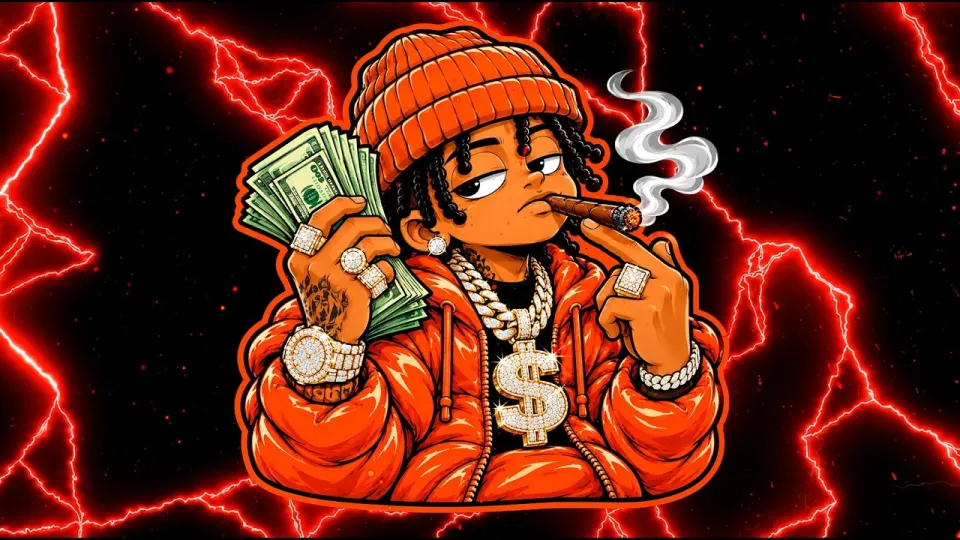
Video: FREESTYLE TYPE BEAT - ''I HAVE HARD FLOW'' | Trap Instrumental 2026 | Rap Type Beat
Want articles like this for your own video to promote it on YouTube and Google? Order them through the Telegram bot @sat_sit_bot. It writes articles around your video, embeds the video and publishes them on popular niche websites (no ads). Your first 50 articles are free.
· based on the channel Rey Pandora Beats
A freestyle type beat is an original instrumental built for rapping a fresh verse over it, rather than for covering a song that already exists. It usually comes without a hook structure or with an open, repeatable loop so the artist can stack 16 bars quickly. Rey Pandora Beats' "I HAVE HARD FLOW" is one of these: a trap instrumental aimed at punchline-heavy, aggressive flows, and the producer's BeatStars beat store is where the licensing and the full catalog live.
What a freestyle type beat actually is and how it differs from a rap type beat
A freestyle type beat is an instrumental whose arrangement leaves room for continuous rapping instead of forcing a strict verse-hook-verse pop structure. Producers label beats this way because the search term describes intent: the buyer wants something to write bars over, not a finished song to sing on. The practical differences are small but real — fewer melodic interruptions, a steady drum pattern, and a loop that survives four minutes of vocals without becoming tiring.
A rap type beat, by contrast, is a broader label covering anything from boom-bap to melodic trap, and it may include a fully written hook section. In the trap space the two terms overlap heavily: most freestyle type beats are trap instrumentals with 140–150 BPM patterns, 808 bass lines and hi-hat rolls. "I HAVE HARD FLOW" sits in that overlap, which is why its tags list both freestyle beat and rap type beat.
How to use the "I HAVE HARD FLOW" instrumental legally
The license rules for this beat are stated plainly by the producer, and they split into two cases.
- Free use. You may use the beat in YouTube videos and personal projects at no cost, provided the project is not monetized and you credit Rey Pandora Beats as the producer in the description or credits.
- Commercial use. Monetized YouTube videos, Spotify, Apple Music, iTunes and similar platforms require a purchased commercial license before release.
- Purchase route. Licenses are sold through the producer's BeatStars store, where you can also browse the rest of the catalog.
In practice, the free tier covers practice tracks, lyric videos, cyphers and portfolio uploads with no ad revenue. The moment a distributor like DistroKid or a YouTube Content ID claim enters the picture, the commercial license becomes the correct path. Skipping that step is the single most common mistake artists make with free type beats, and it is also the easiest to avoid.
Building a hard flow over a trap instrumental
The beat is designed for a hard flow, which means the vocal has to sit forward and hit the pocket rather than float melodically. A few concrete approaches work well on this kind of production.
- Count the pocket first. Trap drum patterns at this tempo reward landing the last syllable of each bar slightly behind the kick, not on top of it.
- Write in four-bar blocks. Draft four bars, rap them, then extend. Long verses written silently on paper tend to drift off the grid.
- Use space as a weapon. A hard flow gains impact from short silences before punchlines; constant 16th-note rapping flattens the delivery.
- Record a scratch take, then double the ad-libs. Ad-libs on the last word of each bar are standard in trap and fill the gaps the 808 leaves open.
- Keep the low end clear. High-pass your vocal around 100 Hz so the 808 bass keeps its weight in the mix.
If the beat feels too fast, try rapping half-time over it before deciding it does not fit — many hard trap flows sound slower than the underlying tempo because the rapper lands on the snare rather than every hi-hat.
Typical questions artists ask before downloading a free beat
Three recurring concerns come up around free trap instrumentals, and each has a straightforward answer.
First, credit. A text line naming the producer in the video description or the track credits satisfies the free-use condition; a spoken tag is welcome but not the requirement as stated.
Second, monetization boundaries. A video with ads, a Spotify upload or an Apple Music release all count as commercial use. A non-monetized upload to a personal channel does not.
Third, reuse. Buying a license for one beat does not grant rights to the rest of the catalog; each instrumental is licensed individually through the store.
A fourth, quieter concern is whether a freestyle beat can carry a full song. It can, but usually after arrangement work: adding a hook section, dropping the drums for one bar before the final verse, and layering a second vocal take are enough to turn a freestyle loop into a finished track.
Where to find the beat and the rest of the catalog
The instrumental is published on the Rey Pandora Beats YouTube channel, and the producer's storefront is the central place for licenses and downloads.
- Beat store and licensing: https://reypandorabeatsoff.beatstars.com/
- Producer contact for licensing questions: papapandorabeat@gmail.com
- Instagram: @rey.pandora
- YouTube channel: Rey Pandora Beats
The channel has passed 800,000 subscribers and is working toward 900,000, which says something about how consistently these instrumentals are being used by independent artists. Searching the store by mood — hard, dark, aggressive — is faster than scrolling the full list if you already know the energy you want.
Matching the beat to the right kind of verse
A hard trap instrumental suits certain subjects better than others. Confident, declarative writing — street narratives, technical showcases, battle-style punchlines — sits naturally over an 808-driven loop, while introspective or sung material usually needs a sparser, more melodic beat. The title of this one signals its purpose: it is built for a rapper who wants to demonstrate flow rather than melody.
That makes it a strong choice for a freestyle video, a cypher entry or a short technical showcase clip. For a full single, plan the structure before recording: two 16-bar verses, an eight-bar hook repeated three times, and a four-bar intro that lets the drums enter alone. That layout fits the standard three-minute streaming format and keeps the beat from overstaying its welcome.
Final thoughts on choosing a freestyle type beat
The value of a freestyle type beat lies in how quickly it lets you move from hearing an idea to recording a usable take, and "I HAVE HARD FLOW" is built for exactly that: a trap loop with room for aggressive, punchline-driven rapping. Rey Pandora Beats keeps the terms simple — free with credit for non-monetized work, a paid license for anything commercial — so the decision is clear before you press record. If you want to test the beat, write four bars first and rap them out loud; if the pocket feels natural, the rest of the verse will follow. When you are ready to release, get the license from the Rey Pandora Beats store and credit the producer properly.
Key takeaways
- A freestyle type beat is an unreleased instrumental sold for original vocals, not for covering an existing song.
- Rey Pandora Beats' 'I HAVE HARD FLOW' is a trap instrumental released on 19 October 2026.
- Free use requires credit to Rey Pandora Beats and no monetization.
- Monetized YouTube, Spotify or Apple Music releases require a purchased commercial license.
- Licenses and beat purchases are handled through the producer's BeatStars store.
Questions & answers
Can I use this freestyle type beat for free on YouTube?
Yes, as long as the video is not monetized and you credit Rey Pandora Beats as the producer in the description or credits. Any monetized upload, including ad-supported videos, requires a commercial license purchased through the producer's store.
Do I need a license to release a song over this beat on Spotify?
Yes. Distribution to Spotify, Apple Music, iTunes and similar platforms counts as commercial use, so a commercial license must be bought before release. Free use covers only non-monetized personal projects with proper credit.
What tempo and style is a hard trap type beat like this one?
Hard trap instrumentals typically sit around 140–150 BPM with 808 bass, rolling hi-hats and a sparse melodic loop. The style favors punchline-heavy, declarative rapping rather than sung hooks, which is why it works well for freestyle verses and technical showcases.
How do I make my vocals sit well over an 808-driven beat?
High-pass the vocal around 100 Hz so it does not fight the 808, record a scratch take to lock the pocket, and double the ad-libs at the end of each bar. Keeping the vocal forward and the low end clean is the difference between a demo and a releasable mix.
Source: FREESTYLE TYPE BEAT - ''I HAVE HARD FLOW'' | Trap Instrumental 2026 | Rap Type Beat · Markdown version